Gingerbread Rhino SVG: A Designer’s Real-World Embroidery Review
First Impressions: Whimsy with Weight
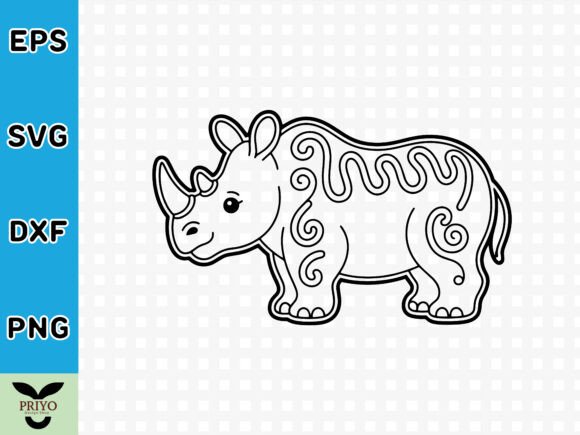
Opening the Gingerbread Rhino SVG file, I immediately felt that familiar spark—playful, unexpected, and just slightly subversive. It’s not your standard holiday motif. The rhino’s sturdy silhouette is softened by gingerbread textures: cracked icing lines, piped eyes, a candy-cane horn, and subtle cinnamon-sugar grain. Visually, it balances charm and structure—round enough for friendly appeal, grounded enough to hold its own on apparel or home goods. As an embroidery designer, I don’t just see a graphic—I see stitch paths, fill density, and how those curved icing lines will translate in satin stitch on a sweatshirt cuff.
A Tote Bag Test: Where Personality Meets Practicality
Last week, I prepped a custom embroidered tote for a local bakery’s holiday pop-up—cotton canvas, medium-weight, no stretch. I chose Gingerbread Rhino SVG as the centerpiece, centered just below the handle seam. Why? Because it’s large enough to read at a glance but detailed enough to reward closer looking. The rhino’s outline held clean in satin stitch, and the “cracks” in the gingerbread translated beautifully as fine running stitches—not too dense, not too sparse. Customers paused. Smiled. Asked, “Is that *real* gingerbread?” That’s the quiet magic of this design: it invites interaction without shouting.
Where It Shines (and Where It Needs Care)
Gingerbread Rhino SVG excels in projects where warmth, humor, and handmade authenticity matter:
- Custom apparel: Works beautifully on crewneck sweatshirts and relaxed-fit tees—especially when stitched with matte cotton thread for tactile contrast.
- Embroidered patch: Clean outer edges and moderate detail make it ideal for iron-on or sew-on patches on denim jackets or backpacks.
- Baby embroidery: Gentle shape, no sharp angles—perfect for onesies or burp cloths (just avoid dense fill on thin interlock knit; opt for lighter stitch density).
- Holiday embroidery: Fits seamlessly into seasonal collections—think tea towels, pillow covers, or nursery decor where whimsy feels intentional, not cutesy.
- Craft business & Etsy seller use: Stands out in digital embroidery file listings because it’s niche yet broadly relatable—rhino lovers, bakers, and holiday crafters all recognize themselves in it.
But—and this matters—it’s not universally forgiving. On stretchy fabric, like ribbed knit baby caps, I’d reduce stitch density and add lightweight cutaway stabilizer beneath. On dark fabric, test white or cream thread first: some icing details vanish if contrast isn’t crisp. And on curved surfaces (like structured baseball caps), the rhino’s rounded belly may distort slightly unless digitized with gentle underlay—so check whether the embroidery file includes cap-ready versions or if you’ll need to adjust tension manually.
Design Integrity in the Finished Product
What separates Gingerbread Rhino SVG from generic clipart is its built-in rhythm. The spacing between candy buttons, the slight asymmetry of the icing swirls, the weight distribution across the body—all suggest thoughtful illustration, not algorithmic repetition. That translates directly to perceived value: customers pay more for handmade product that feels considered, not copied. When stitched onto a linen apron for a pastry chef client, the design didn’t look “applied”—it looked *born there*. That kind of cohesion builds brand consistency, especially for small shop product lines or boutique branding.
It also elevates giftability. A personalized gift isn’t just about names—it’s about emotional resonance. Gingerbread Rhino SVG delivers that: nostalgic but fresh, sweet but strong. I’ve seen it used on wedding favors (mini embroidered sugar cookies + matching tags) and baby shower blankets—always landing as warm, memorable, and distinctly *human*.
Practical Embroidery Designer Notes
Before committing Gingerbread Rhino SVG to your next project, here’s what I always do:
- Test on scrap fabric—same weight and weave as your final piece. Watch how the “gingerbread cracks” behave in running stitch at different speeds.
- Check thread color contrast on both light and dark backgrounds. Some SVGs render fine in print but lose definition when stitched.
- Review stitch density. If it’s high, consider reducing fill % by 5–10% for breathable fabrics like cotton voile or baby knits.
- Confirm hoop size compatibility. This design reads comfortably in a 4x4 hoop—but if you’re scaling up for a blanket corner or down for a cuff, verify proportions stay legible.
- Inspect small details in your embroidery software: are the candy dots isolated enough to avoid thread nests? Is the horn tip sharp or overly fragile?
- Mock it up digitally—use a printable mockup to preview how Gingerbread Rhino SVG looks on a sweatshirt front vs. a tea towel corner. Lighting and scale change everything.
- Use proper stabilizer. For textured fabrics (like terry cloth towels), tear-away alone won’t cut it—add a light film or wash-away top layer to keep icing lines crisp.
- Verify licensing. Since Gingerbread Rhino SVG is listed under Illustrations and Graphics, confirm whether commercial embroidery rights are included—especially if you’re selling finished product or bundling it as part of a craft business kit.
Final Thought: Not Just a Graphic—A Conversation Starter
Gingerbread Rhino SVG isn’t merely functional. It’s a tiny piece of storytelling stitched into fabric. Whether it lands on a holiday mug design, an embroidered patch for a maker’s vest, or the front of a small shop product line, it carries tone, intention, and quiet confidence. As a designer who’s reviewed hundreds of embroidery files, I can say this one earns its place—not because it’s flawless, but because it’s thoughtful. It knows when to be bold and when to whisper. And in handmade work, that balance is everything.