Gingerbread Bear SVG: A Designer’s Real-World Embroidery Review
First Impressions: Sweet, Simple, and Surprisingly Versatile
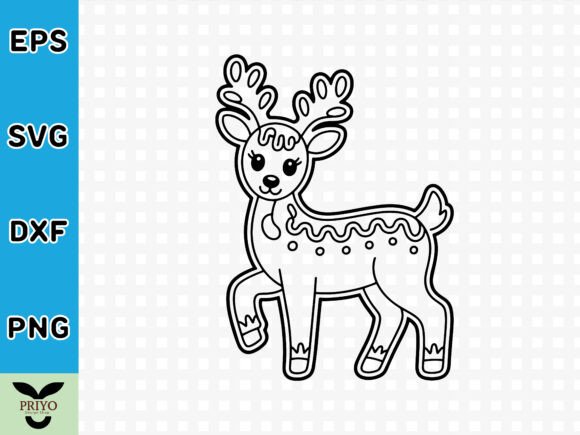
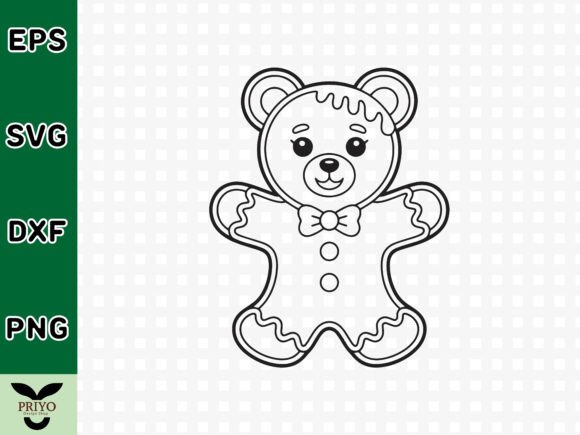
Opening the Gingerbread Bear SVG file, I immediately felt that warm, nostalgic holiday hum—the kind that makes you reach for cinnamon sticks and soft flannel. It’s not overly fussy or cartoonish; instead, it strikes a confident balance between charm and clarity. The bear’s rounded silhouette, gentle smile, and subtle icing details suggest hand-drawn warmth without sacrificing clean vector integrity. As an embroidery designer who’s stitched hundreds of holiday motifs, I appreciate how its proportions naturally support stitch legibility: no tiny antlers, no fragile limbs, no overlapping outlines that beg for digitizing fixes. This isn’t just a cute illustration—it’s a thoughtful embroidery-ready concept.
Real Project Test: Stitching It on a Linen Tea Towel for a Local Boutique
Last week, I prepped a batch of custom kitchen towels for a small-town gift shop—linen blend, medium weight, natural off-white. I chose Gingerbread Bear SVG as the centerpiece for their holiday “Bake & Belong” collection. Why? Because it scaled beautifully at 3.2" wide (hoop-friendly), held crisp satin-stitch edges on the bear’s outline, and let the fill stitches breathe without overcrowding the fabric texture. Customers responded instantly—not just to the theme, but to how *real* it looked: plush, handmade, intentional. That’s the quiet power of Gingerbread Bear SVG. It doesn’t shout; it invites. And in a crowded Etsy or craft fair landscape, that kind of quiet confidence builds trust faster than glittery overdesign.
Where It Shines (and Why)
- Custom apparel: Works cleanly on sweatshirts and structured tees—its bold shape reads well even at smaller sizes (2.5–3.5") without losing character.
- Baby embroidery: Soft curves and minimal fine detail make it ideal for onesies and burp cloths—no risk of scratchy thread nests or snag-prone embellishments.
- Embroidered patch: Clean outer edge + moderate interior detail = excellent candidate for iron-on or sew-on patches. Holds up through laundering when stabilized properly.
- Holiday gifts & nursery decor: Its gentle, non-gendered sweetness fits baby showers, teacher gifts, and cozy home accents without feeling dated or cloying.
- Craft business branding: As a recurring motif across tote bags, aprons, and tea towels, Gingerbread Bear SVG delivers visual consistency—friendly but not childish, seasonal but not disposable.
Where to Pause (and Plan Ahead)
Gingerbread Bear SVG is forgiving—but not magic. Here’s where your judgment matters:
- Small hoop sizes (<4"): Test first. While scalable, the icing swirls and eye details may compress into blobs below 2". Not a flaw—just a reality of stitch physics.
- Textured or stretchy fabrics: On terry cloth towels or lightweight knits, use cutaway stabilizer + basting stitch. The design’s open areas can shift if fabric moves mid-stitch.
- Dark fabric: Avoid light thread unless you’re aiming for subtle tone-on-tone. For impact, go rich brown or deep red thread—this isn’t a design that thrives on high contrast alone.
- Curved surfaces (caps, curved pillow covers): The bear’s flat, front-facing pose adapts well—but avoid placing near seams or deep curves where distortion skews proportions.
- Frequent-wash items (baby clothes, kitchen linens): Confirm stitch density isn’t overly dense in the fill areas. Too much coverage = stiff fabric + faster thread wear.
Design Integrity Meets Commercial Practicality
As an Etsy seller and small shop product developer, I don’t just ask “Does it stitch?”—I ask “Does it sell?” Gingerbread Bear SVG earns its place in my digital embroidery file library because it supports both personal joy and professional credibility. When customers see this on a handmade apron or embroidered patch, they don’t think “generic clipart.” They sense care: in the balanced spacing, the intentional simplicity, the way the shape fills a hoop without crowding. That perception lifts perceived value—and justifies pricing that sustains your craft business.
It also plays well with others. Pair it with simple script fonts (“Merry & Baked”) or minimalist snowflakes in your printable mockups, and you’ve got cohesive holiday design assets—no frantic last-minute edits. For digital product sellers, Gingerbread Bear SVG works as a standalone graphic and a foundation for layered applique designs. Just remember: if you’re bundling it commercially or reselling finished embroidered goods, verify licensing terms directly with the source. “Where Creativity Meets Elegance” sounds lovely—but only your due diligence confirms whether Gingerbread Bear SVG is cleared for your specific use case.
Your Embroidery Checklist Before First Stitch
- Run a test on scrap fabric matching your final project’s weight and weave.
- Check thread color contrast on both light and dark backgrounds—mock it up in black and white first.
- Review stitch density visually: are fill areas breathable, or will they stiffen delicate fabrics?
- Confirm hoop size compatibility—especially if stitching multiple items in one production run.
- Inspect small details (eyes, icing lines) at actual stitch-out size—what looks crisp on screen may blur under thread.
- Use appropriate stabilizer: tear-away for stable wovens, cutaway for knits or towels.
- Ask yourself: does this feel like a piece of my brand—or just a seasonal stopgap?
Gingerbread Bear SVG isn’t flashy. It won’t dominate a tradeshow booth with neon energy. But in the quiet moments—when a customer runs their fingers over a perfectly stitched towel, or a parent smiles at a baby’s embroidered onesie—it delivers something rarer: sincerity, skill, and seasonal soul. That’s not just good design. That’s good business.